
59 Non-Boring Ways to Use Rice, Beans, & Pasta (+ tips for perfectly cooked rice & beans!)
Did you buy too many pantry staples that need to be used up? Try these 59 unique, incredible pantry recipes featuring rice, beans, and pasta!
When hubby came home from Wal-Mart toting 3 bags of dried beans and brown rice, I knew I needed to widen my recipe base. I had already bought these items a couple of weeks before!
If you’re reading this post, you’re probably in the same boat. It’s easy to over-buy in the dry goods section and be left wondering, “What should I do with all this?”
Rice, beans, and pasta sometimes get a bad rap for being bland and tasteless. None of that here! Each of these recipes is mega flavorful – no more boring rice n’ beans.
Not to mention – these are some seriously cheap meal ideas too! Many of these dirt cheap meals cost less than a few dollars a plate. And every recipe is made using real food ingredients – nothing artificial allowed.
Are rice and beans healthy?
Absolutely! The biggest thing to keep in mind is that rice and beans need to be soaked overnight before cooking for optimum mineral absorption. Soaking for 8 hours reduces phytic acid in grains and legumes so they impart the most nutrition.
For more info on why soaking grains and legumes is so important, read this post.
Rice contains lots of B vitamins, which are great for stress (and most of us don’t get enough of). It also has a high amount of manganese and magnesium.
Beans are incredibly nutritious too – especially for how cheap they are! Nutrition profile varies depending on the type of bean used, but most beans are packed with folate, iron, potassium, magnesium, and other B vitamins (1). They’re also rich in fiber and protein.
What’s the best way to cook rice?
Soaked brown rice obviously has more nutrition than white rice which has the bran and germ removed. But some people avoid it because they find it tricky to cook (mushy brown rice is a common complaint).
It took me a few years to learn, but here’s my fail proof method:
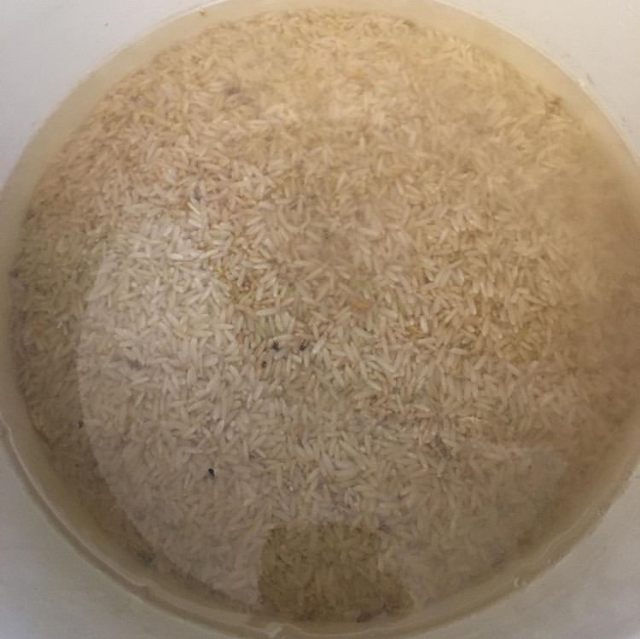
Cover rice with several inches of water and a tablespoon of apple cider vinegar. Soak for 6-12 hours.
When ready to cook, drain the rice and cover with fresh water to ½ inch above the rice. No measuring cups needed – just add enough water to submerge the rice plus an extra ½ inch.
If you prefer to measure, the correct ratio is 2:1 – 2 parts water, 1 part brown rice. So if you’re cooking one cup of rice, add 2 cups water. This will yield 2 ½ cups cooked rice.
Bring to a boil, stir gently, then reduce heat to a gentle simmer (medium low). Allow to simmer with a lid on, undisturbed for around 30 minutes or until all liquid is absorbed. Don’t stir too often, as this can contribute to sticky rice.
Remove from heat and let rice sit for an additional 30 minutes to absorb any excess liquid. This will reduce sticky-ness.
Fluff with a fork and enjoy your PERFECT brown rice!
Note: If you’re totally against brown rice, white basmati rice is a good alternative that’s easy to cook.
What’s the best way to cook beans?
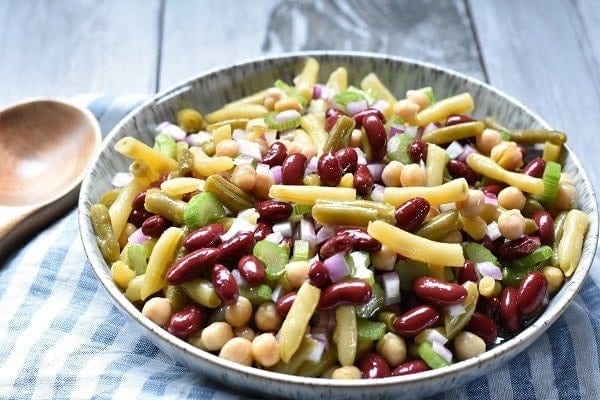
Again, cover with water to several inches above the beans of your choice. Add an acidic medium like apple cider vinegar or lemon juice and allow to soak overnight, up to 36 hours.
After soaking, drain and add fresh water to a couple of inches above the beans. Bring to a boil and reduce heat to medium, boiling gently until beans are soft (45 minutes or more) and skimming off any foam on top of the beans.
Depending on the size of your beans, you may need to cook them longer. Test the beans to ensure they are very soft before serving. Nobody wants crunchy beans!
One helpful tip for delicious beans is to add homemade broth or bouillon to the cooking water, and a bit of chopped onion or garlic while they cook.
What’s the healthiest type of pasta?
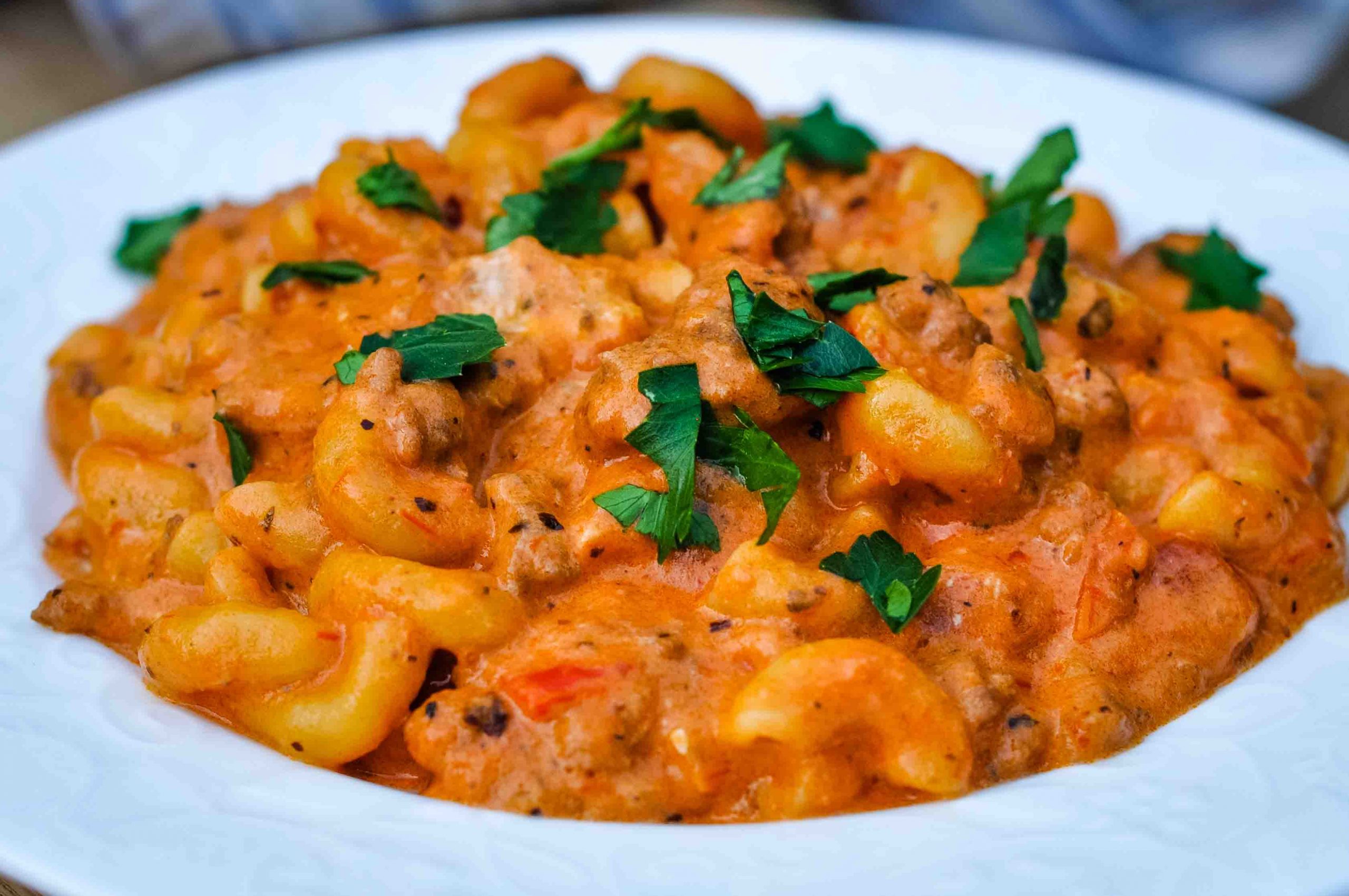
There are so many varieties of pasta, it can be tough to choose — and to know which type is healthiest.
When selecting regular durum (wheat) pasta, I always to try to get a whole wheat version instead of refined white pasta. Again, whole grains = more nutrition!
I also really like Barilla’s Protein Plus pasta – it includes extra protein from chickpeas, lentils, and peas.
Bean pastas are really popular right now, but can be a bit problematic since the beans used to make the pasta are not soaked beforehand (hence, they are high in phytic acid). Here’s a post on why bean pastas may not be healthy.
If you really want a gluten free pasta, brown rice pasta is a wonderful choice! It has a similar profile to wheat pasta and is low in phytic acid, thus more nutritious. Be sure not to overcook to avoid mushy pasta.
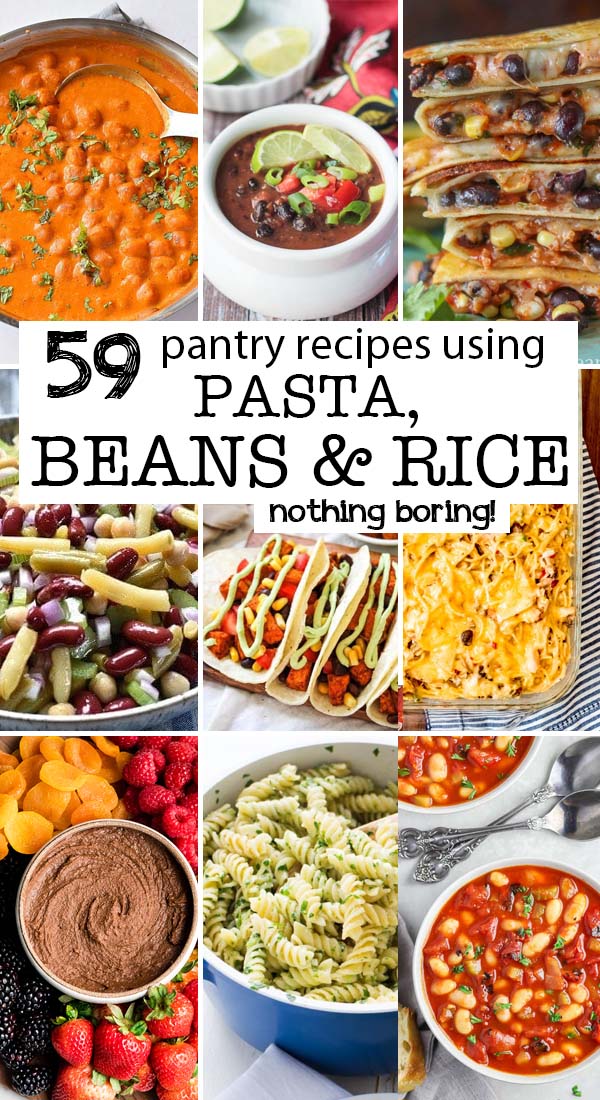
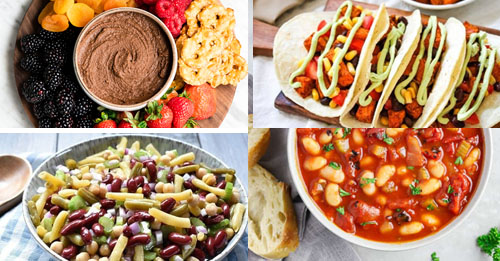
Now, it’s time for our roundup of the BEST bean, rice, and pasta recipes! There are 59 wonderful, non-boring options to choose from so you can use up that pantry hoard.
Healthy Bean & Rice Recipes
These healthy bean, rice, and lentil recipes are economical, unique, nutritious, and extremely tasty too!
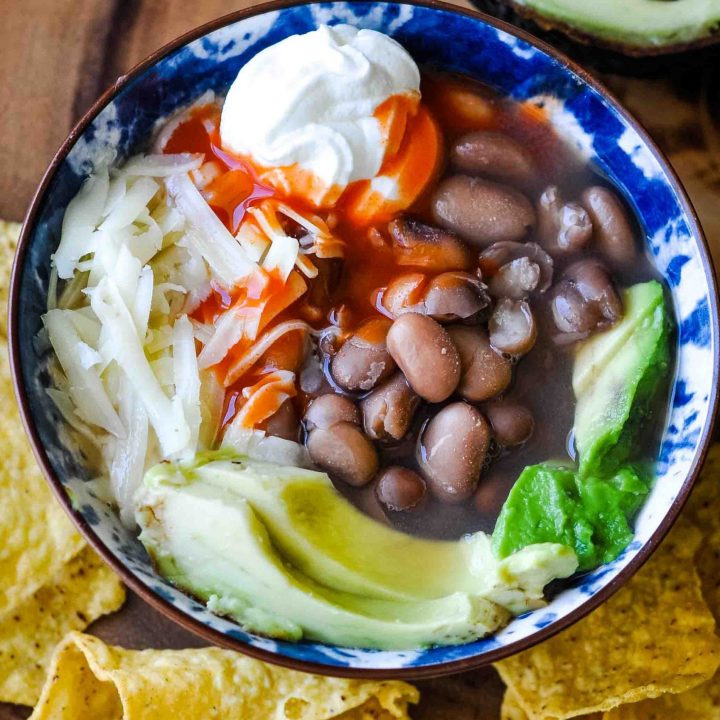
Spicy Cheesy Pinto Bean Bowls
Need a tasty, easy recipe to use your dried pinto beans? Try this spicy cheesy pinto bean bowls! They’re sure to become a lunchtime favorite.
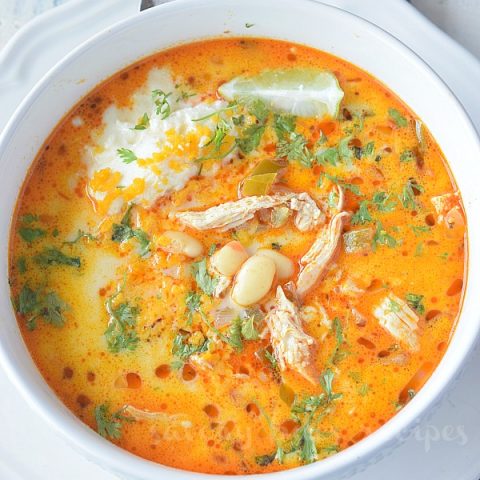
The 30 Minute Best Creamy White Bean Chicken Chili
Comforting & filling white chicken chili is very easy and can be made for lunch / dinner in no time - its quick and easy and best white chicken chili recipe.
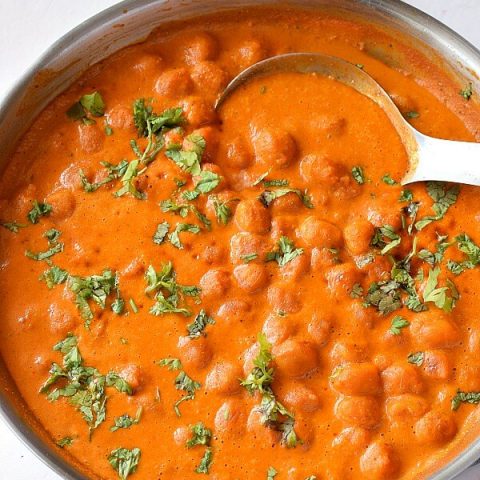
Ultimate Best Chickpea Tikka Masala
The best recipe of Chickpea Tikka Masala you need to try- its easy, creamy, vegan and delicious!
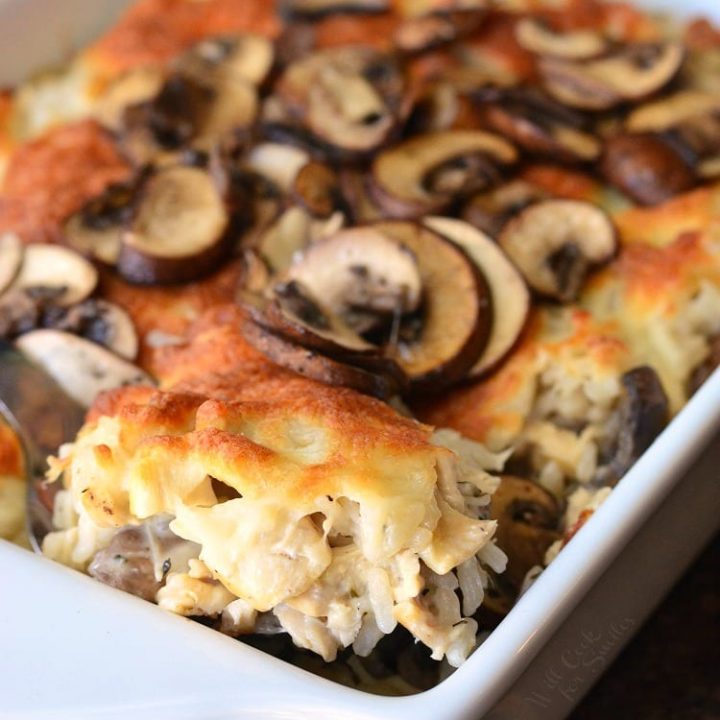
Creamy Chicken Mushroom Rice Casserole
Delicious, creamy, cheesy rice casserole made with lots of mushrooms and chicken.
Instant Pot Copycat Rice-a-Roni Chicken
This Instant Pot Rice-a-Roni chicken is a kid friendly meal you do not want to miss! And no worries, this version is all real food…no scary processed ingredients here!
Jamaican Rice and Peas
These Jamaican Rice and Peas are very easy to make, using simple ingredients. It is packed with flavor, a under 30 minute meal that even pickiest kids will eat and which is really budget friendly and filling.
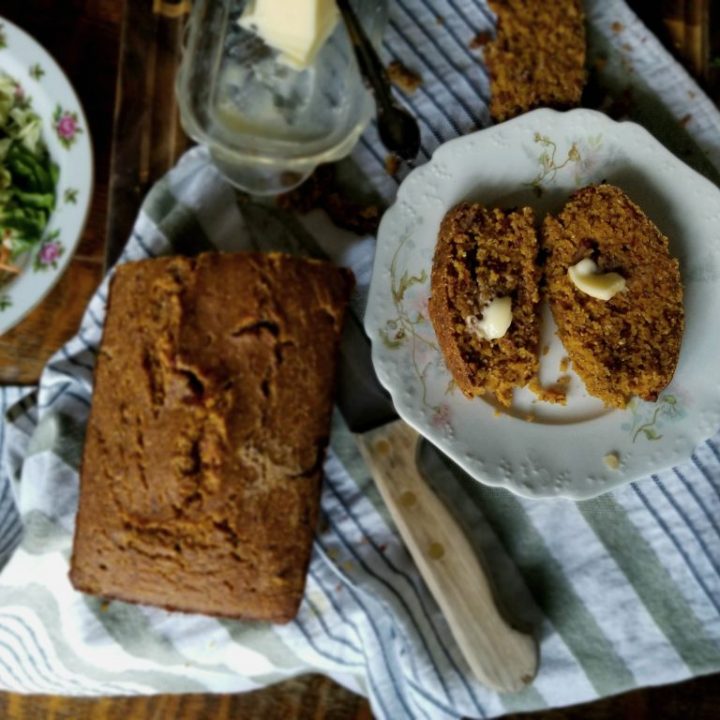
Pinto Bean Bread
This easy to make bean bread recipe is made with pinto beans and a few other pantry ingredients. Serve it with some homemade butter and raw honey, a salad, soup, or even a meat dish.
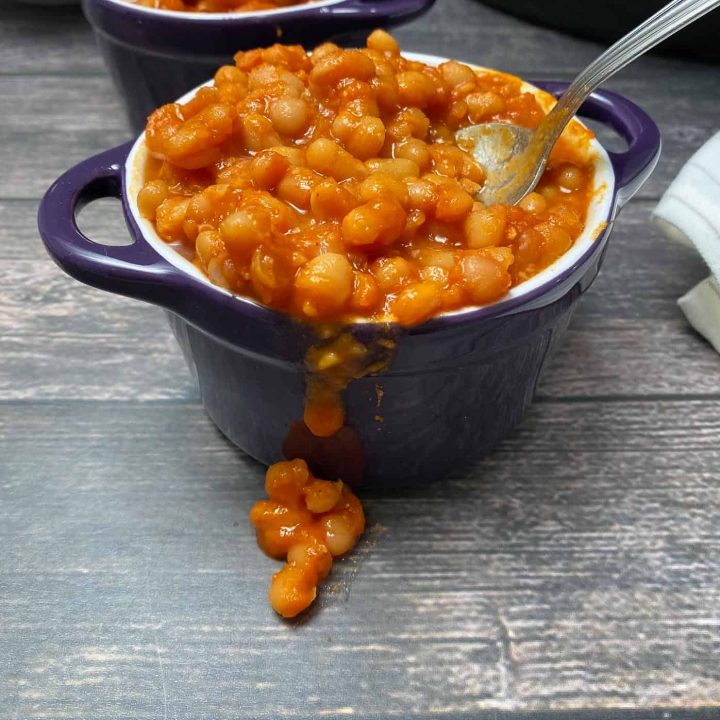
Smoky Slow Cooker Baked Beans
These homemade baked beans are slowly cooked to absorb all the delicious smoky, savory sauce, loaded with so much flavor that you will not miss the meat. Easy to make, even easier to eat.
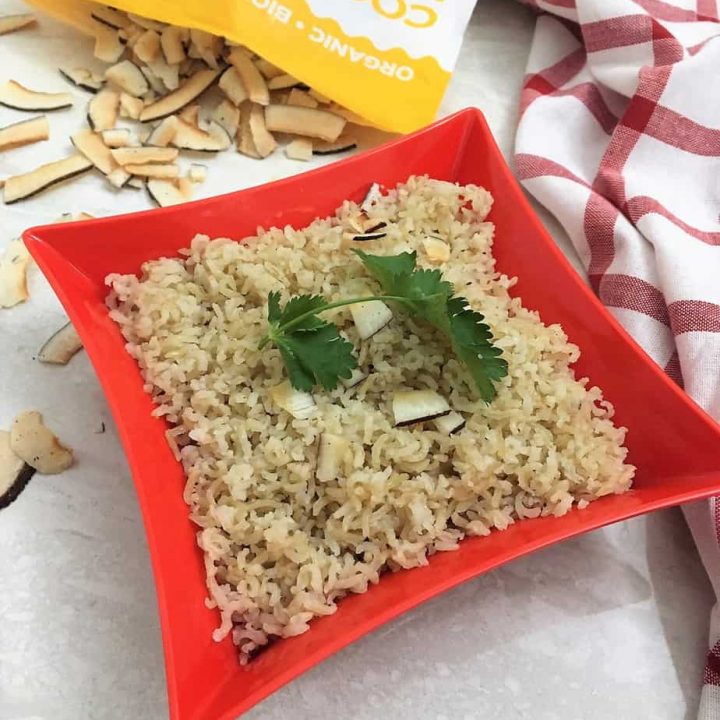
Perfectly Fluffy Coconut Rice (Instant Pot)
Instant Pot coconut rice is a great side dish, no matter the meal. Comes together quickly, using wholesome ingredients, and big flavor!
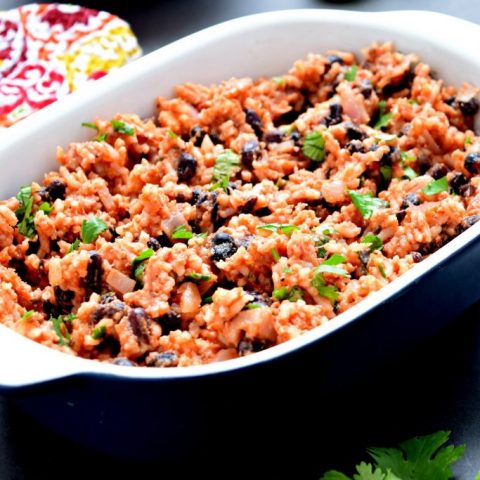
Mexican Beans and Rice - Gluten Free & Vegan
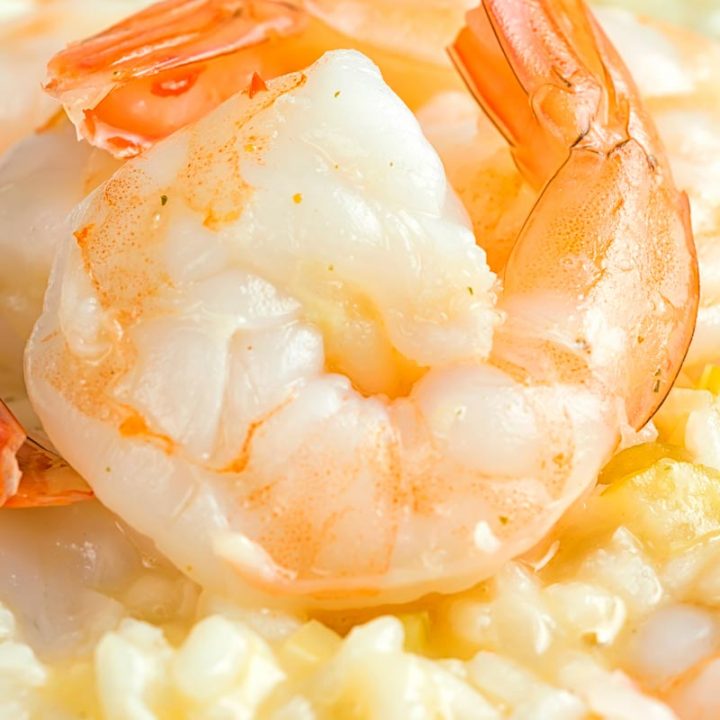
Light & Delicious Lemon, Chilli, Shrimp Risotto
The simple shrimp risotto is loaded with lemon, chilli, garlic and is the perfect indulgent comfort food dinner!
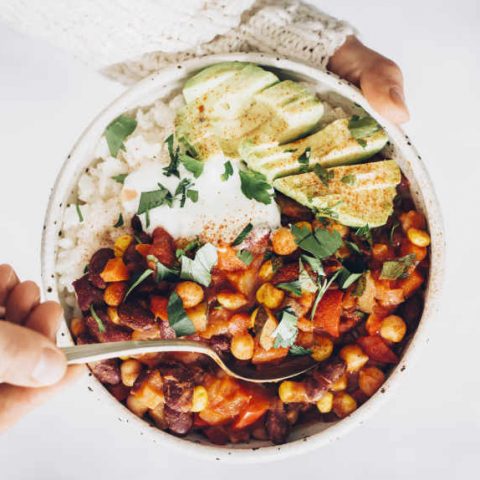
Easy Vegan Chili Recipe
This hearty and super simple chili will be your next favorite go-to! Using only convenient staple foods, this meatless meal is whipped up in just 10 minutes. It's the best easy vegan chili sin carne.
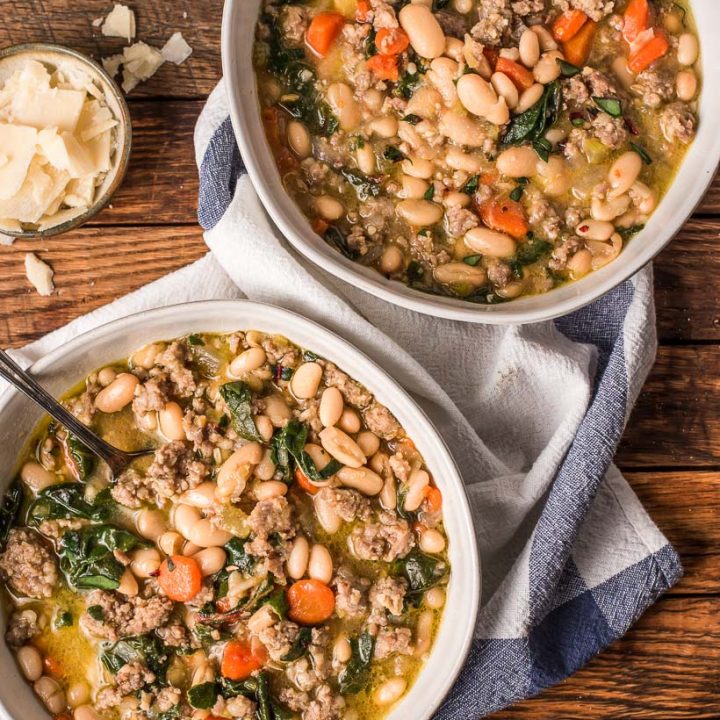
Italian Sausage Stew with White Beans
This Italian Sausage Soup packed with veggies and white beans comes together in a single pot in less than 30 minutes and makes for a hearty, comforting meal.
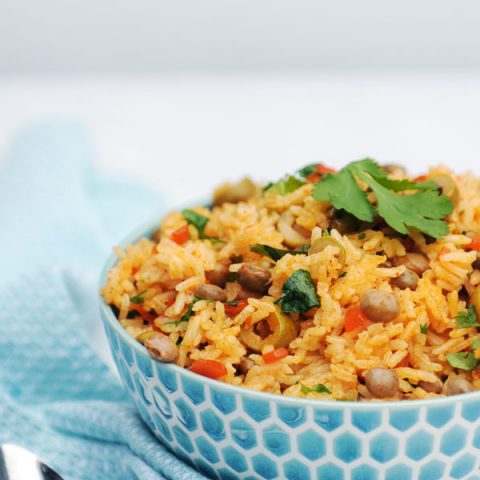
Instant Pot Arroz con Gandules (Pantry Staple Recipe)
Instant Pot Arroz con Gandules are a quick and complete weeknight meal! Using pantry staples, you’ll have this dinner on the table in just a half hour.
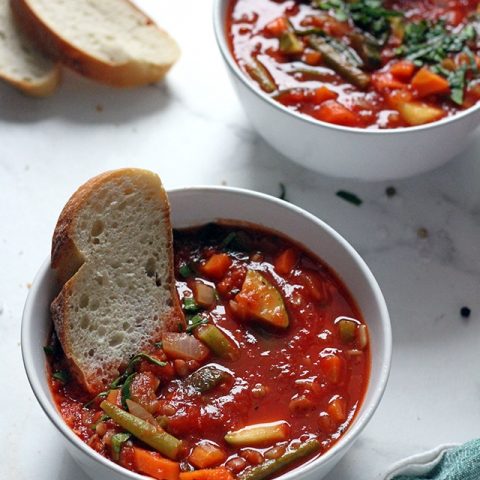
One Pot Vegan Minestrone Soup
This hearty vegan minestrone soup is packed with seasonal vegetables, beans, lentils and whole grains. Perfect comforting vegan winter soup full of flavor and nutrients!
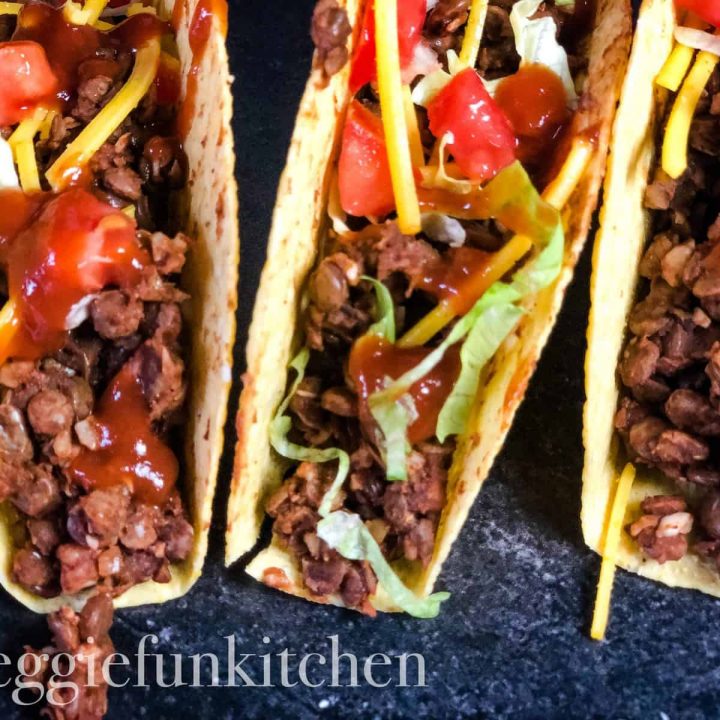
Vegan Taco Meat with Lentils (Instant Pot)
No meat on hand? You can still do taco Tuesday! This oil-free vegan taco meat is made with lentils, pecans, and seasonings. It is made in the Instant Pot and is quick and easy to make.
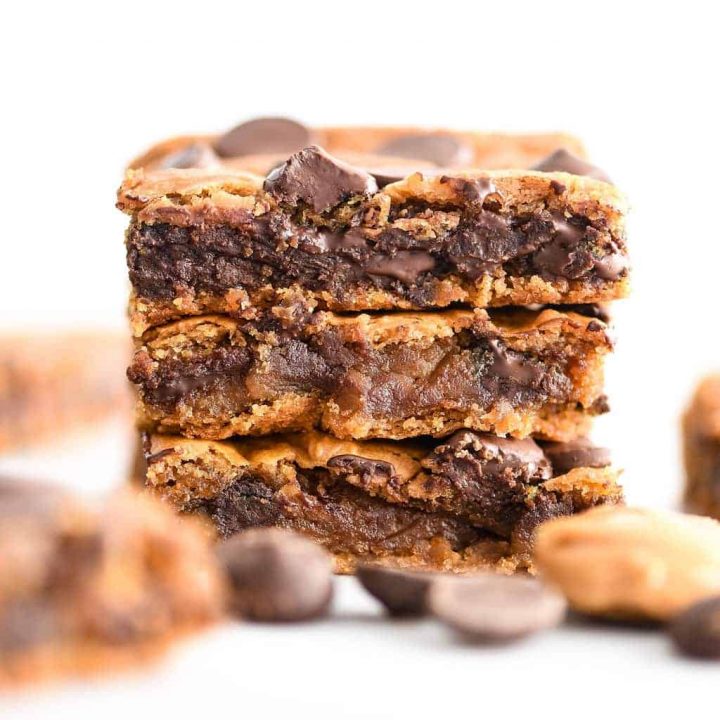
Chickpea Peanut Butter Blondies
These Healthy Peanut Butter Blondies are gluten-free, dairy-free, refined-sugar free and vegan friendly! Made with chickpeas but you’d never know it.
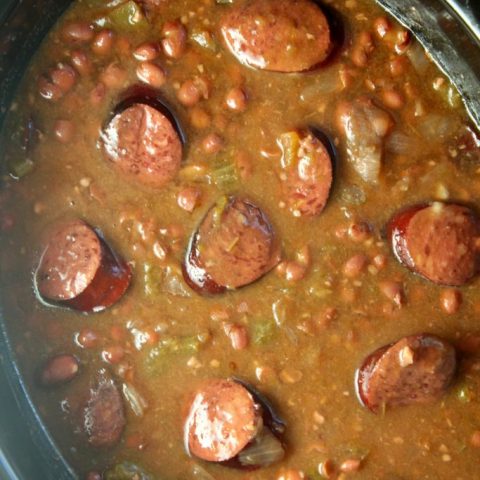
Slow Cooker Cajun Red Beans And Rice
Thick creamy slow cooker red beans and rice is a Cajun style recipe chock full of flavorful veggies, savory spices, and andoullie sausage. It can be served & enjoyed as a stew, side dish, or as the main meal making it easy to prepare as it is fit for any occasion.
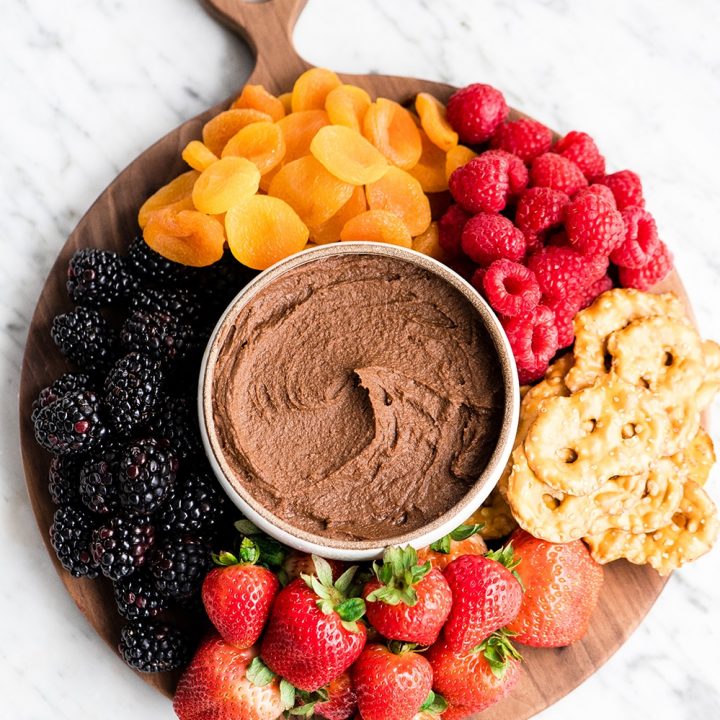
Healthy Chocolate Hummus Recipe (5 minutes)
Healthy Chocolate Hummus Recipe is easy to make and ready in 5 minutes! It’s a nutritious dip, appetizer, dessert, snack or spread that everyone in my family, including my kids, loves.
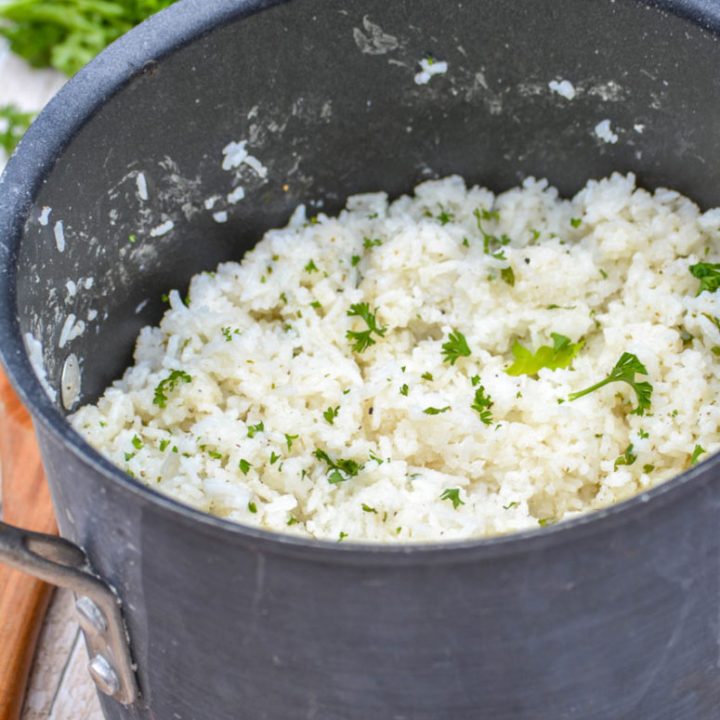
Copycat Taziki’s Greek Lemon Rice
A simple side dish, this copycat Taziki's Greek lemon rice is fresh & full of bright lemon flavor making it ideal for virtually any meal.
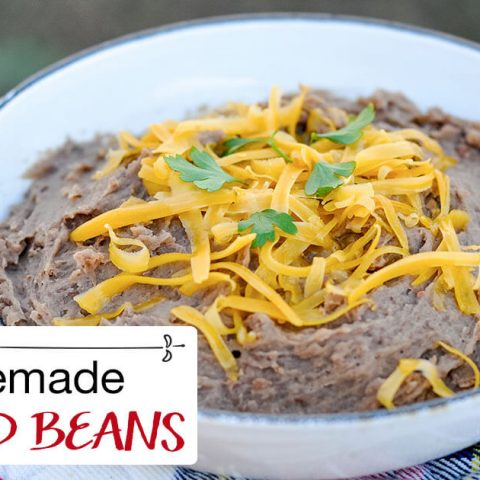
Homemade Refried Beans (Stove Top, Instant Pot, Crock Pot)
Take Mexican flavors over-the-top with homemade refried beans made on the stove top, Crock Pot, or Instant Pot! The perfect easy, healthy dip or side dish!
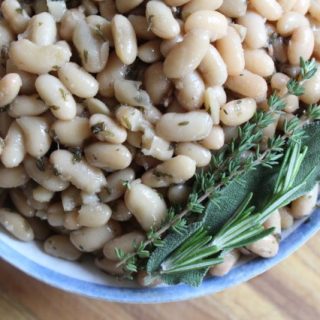
Instant Pot Great Northern Beans
Quick and easy instructions for cooking great northern beans in an instant pot. With or without soaking.
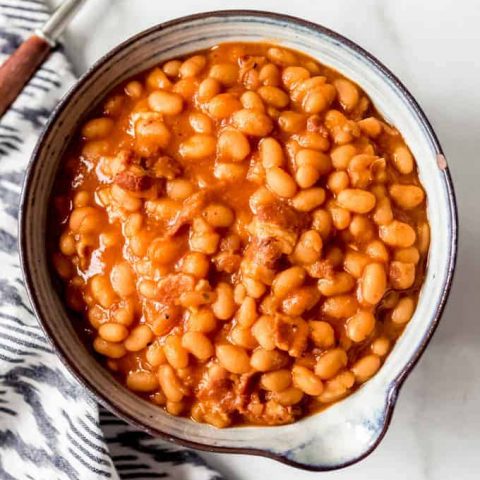
Instant Pot Pork and Beans
There's something intensely satisfying about serving good old-fashioned Instant Pot Pork and Beans with dinner! Whether you are having burgers, chops, grilled chicken, or pulled pork sandwiches, this humble side dish deserves a chance to shine on your plate!
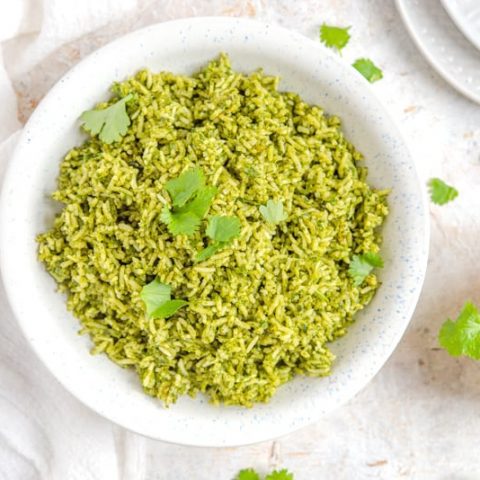
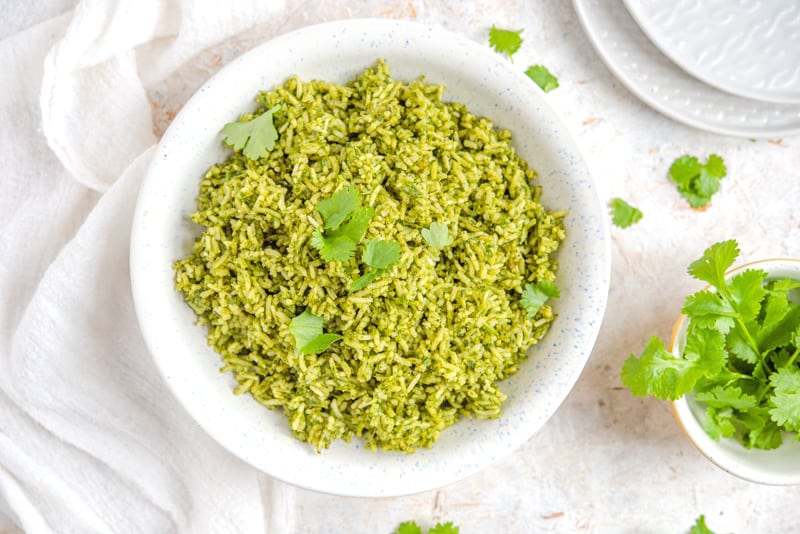
Arroz Verde - Mexican Green Rice
This light and fluffy rice pilaf is popular with Mexican food or grilled meats. Packed with fresh spinach, it makes a healthy side dish that’s vegetarian and gluten-free. It’s so versatile, you can also enjoy it for breakfast with eggs and black beans.
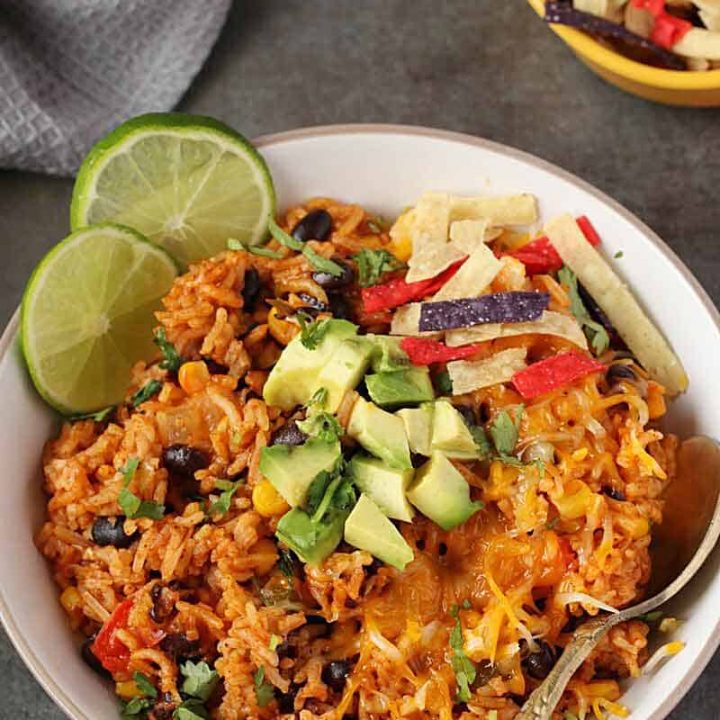
Instant Pot Enchilada Rice
Quick, easy, flavorful, filling and cheesy Instant Pot Enchilada Rice gets done in less than 30 minutes. Perfect for a busy weeknight meal and to feed a crowd on a budget.
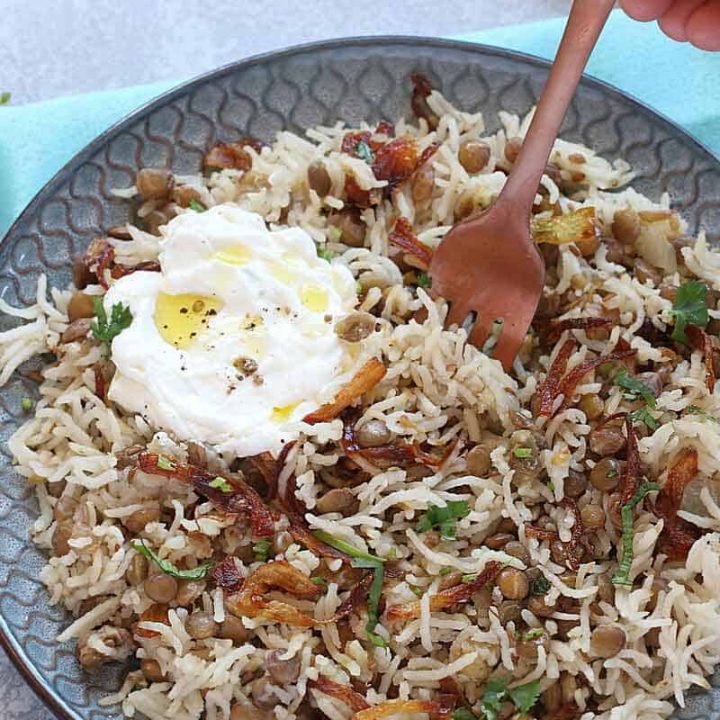
Instant pot Mujadara - Lebanese Rice and Lentil with Fried Onions
A signature Middle Eastern dish made with lentils and rice and garnished with crispy fried onions! It is gluten-free, vegan and one of the most comforting one pot meal!
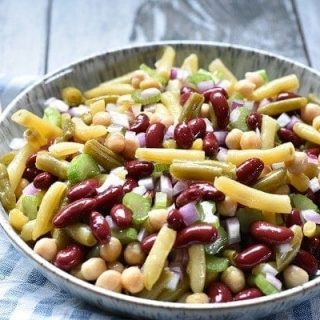
4 Bean Salad
This traditional 4 bean salad has a few surprises in store for you! A delicate blend of sweet and savory for the perfect gluten free side dish.
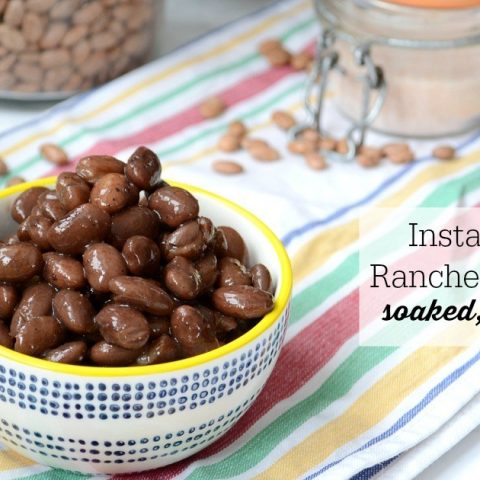
Instant Pot Ranchero Beans (nourishing, soaked, no gas!)
If you're going to have any Mexican-type meal, you gotta have Ranchero Beans! Tacos, enchiladas, tostadas, burritos... these soaked, flavorful beans fill a BIG, gaping hole on the plate!
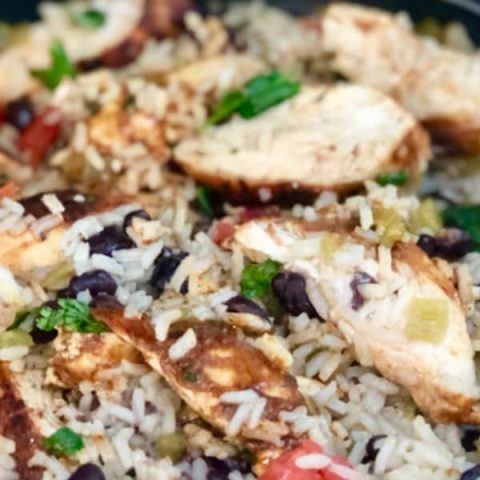
One Pot Chicken & Rice
This one pot Chicken and Rice is a very easy chicken recipe and is perfect for dinner any night of the week. With just a few ingredients and about 30 minutes, you can have the most delicious chicken dinner ready to serve.
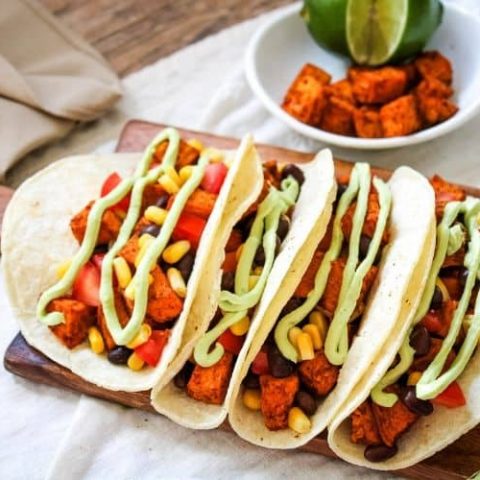
Crispy Baked Sweet Potato Black Bean Tacos
A simple vegetarian sweet potato black bean taco that will bring Taco Tuesday up a notch. Make these in the oven or an air fryer.
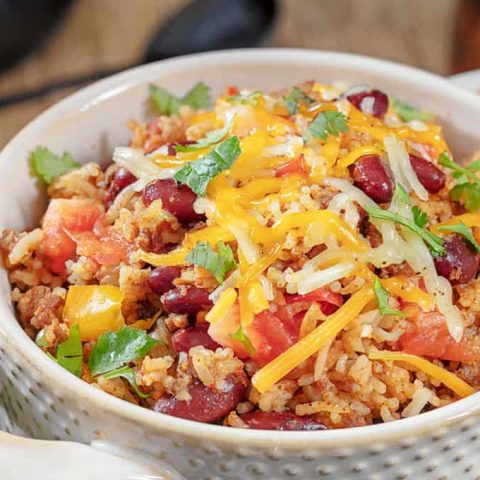
Instant Pot Mexican Ground Beef Casserole
This Mexican Ground Beef Casserole With Rice And Beans is a super family-friendly meal that you're going to love! Make it quickly and easily in your Instant Pot.
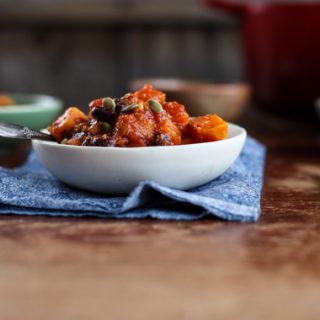
Sweet Potato Black Bean Chili Recipe
A delicious vegan chili, made with only pantry staples and even better on the second day.
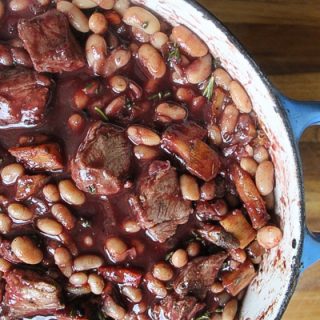
Easy Cassoulet
A simplified version of the French classic meat, bean, and vegetable dish. Easy enough to make even with babies in the house.
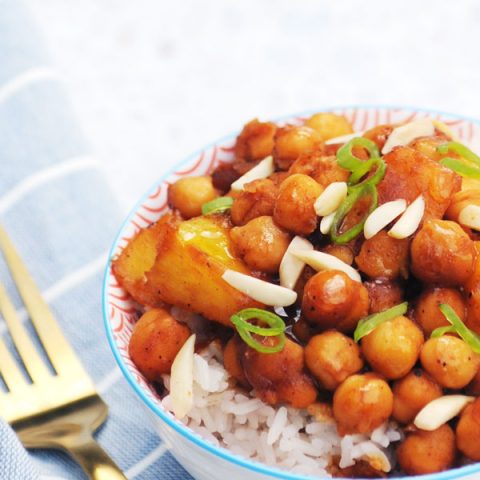
Chickpea Stir Fry with Pineapple (15 Minute Meal!)
Chickpea stir fry with pineapple is a delicious, filling meal made from pantry staples. This easy weeknight dinner will be on your table in just 15 minutes!
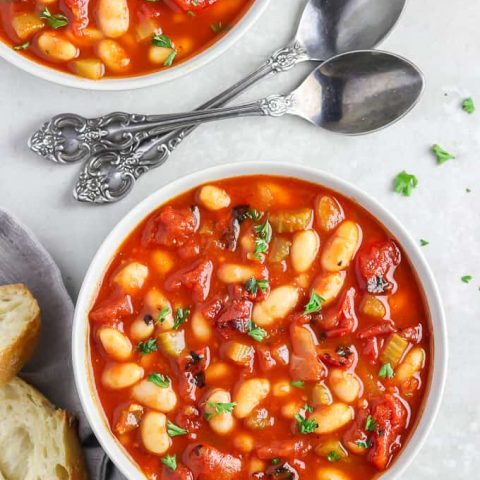
Smoky Tomato and White Bean Soup
Serve this brimming-with-flavor soup in deep bowls that you can cozily wrap your hands around on a chilly evening. It’s easy to make, easy to eat and one of those recipes that gets even more flavorful with time, so it is perfect for making ahead.
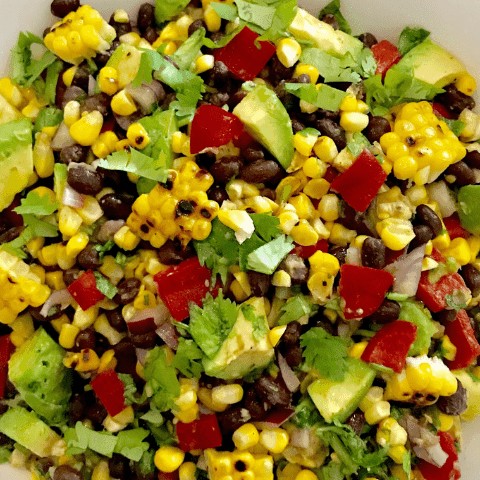
Charred Corn and Black Bean Salad
This simple, fresh-tasting salad is a great side dish to a variety of foods. With the variety of colours contained in the salad, you are assured of receiving a myriad of health-benefiting nutrients.
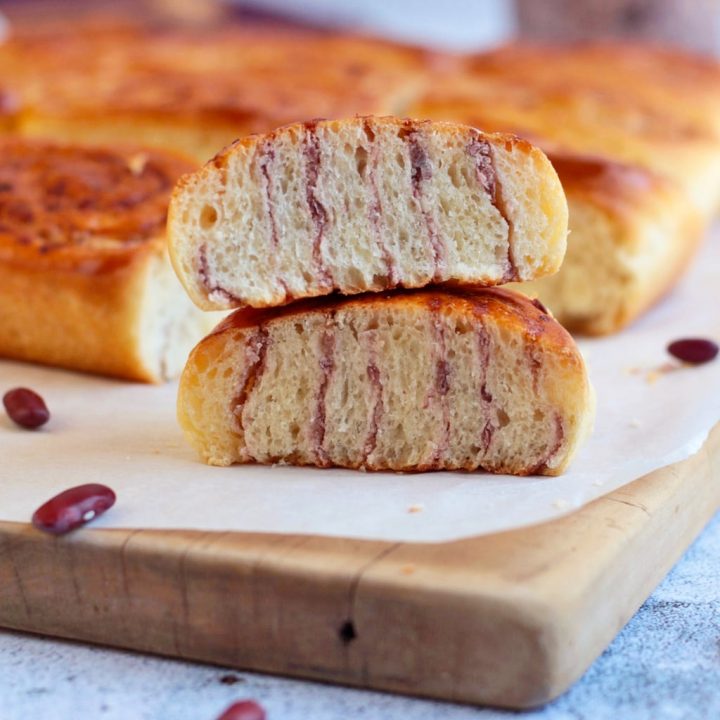
Red Bean Sweet Rolls
These Brioche Sweet Rolls filled with Red Bean Paste are a delicious and original way to include more Legumes into your diet. Perfect for breakfast and your kids lunchbox, these Red Bean Sweet Rolls are also a great healthier sweet treat to snack on all day long!
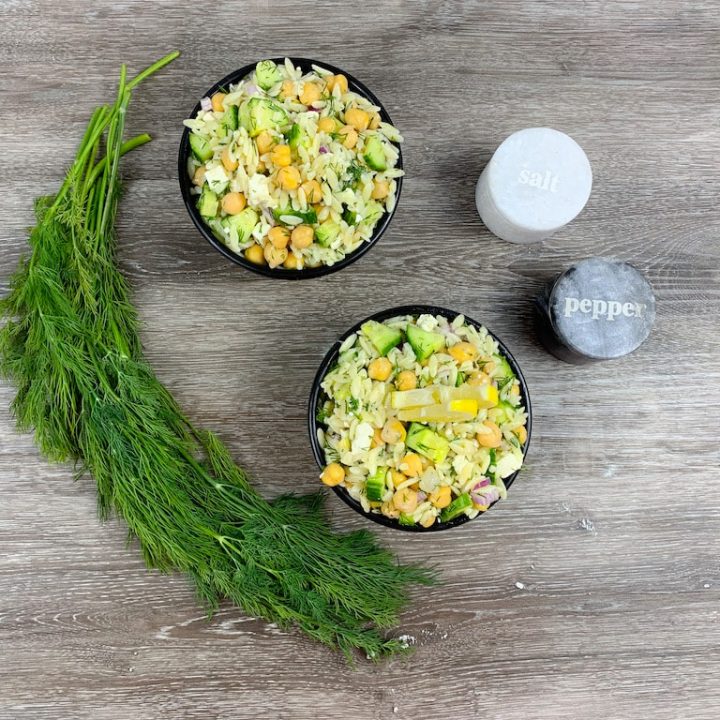
Easy Greek Orzo Salad Recipe
This Greek orzo salad is delicious and super easy to prepare. When you're wondering what to serve with a steak, baked chicken, or seafood, this is the perfect side dish.
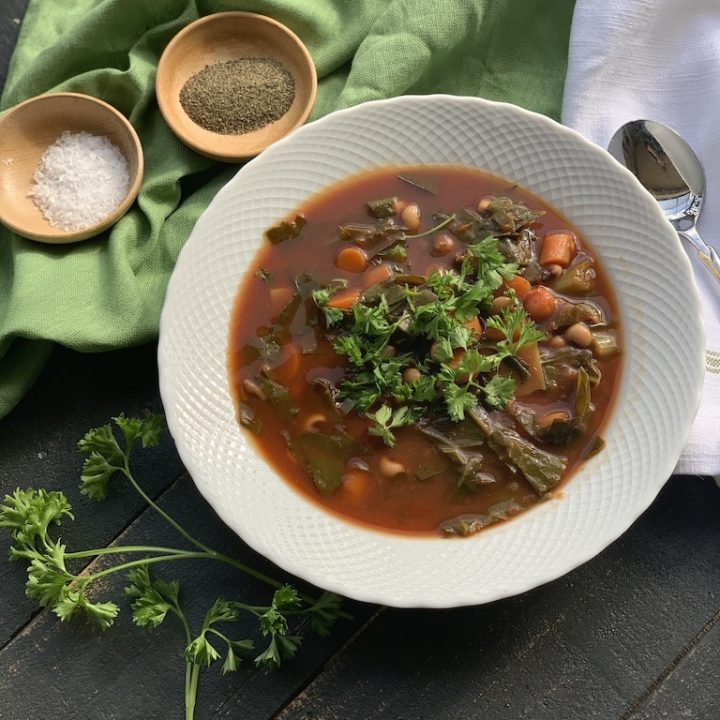
Best Ever Black Eyed Pea Soup Recipe
The whole family will love this veggie loaded black eye pea soup!
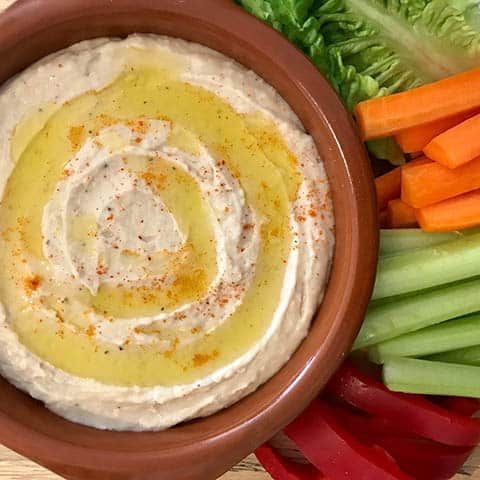
Cannellini Bean Dip
This Cannellini Bean Dip is a go-to appetiser when you want something that’s quickly and easily prepared.
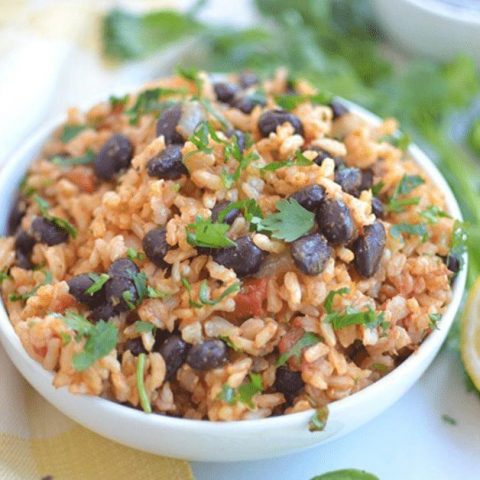
Quick And Easy Instant Pot Rice and Beans
Loaded with the bold flavor of salsa and spices, this hearty dish is a delicious addition to taco night. This Mexican Instant Pot rice and beans recipe also would be the perfect base for a burrito or burrito bowl.
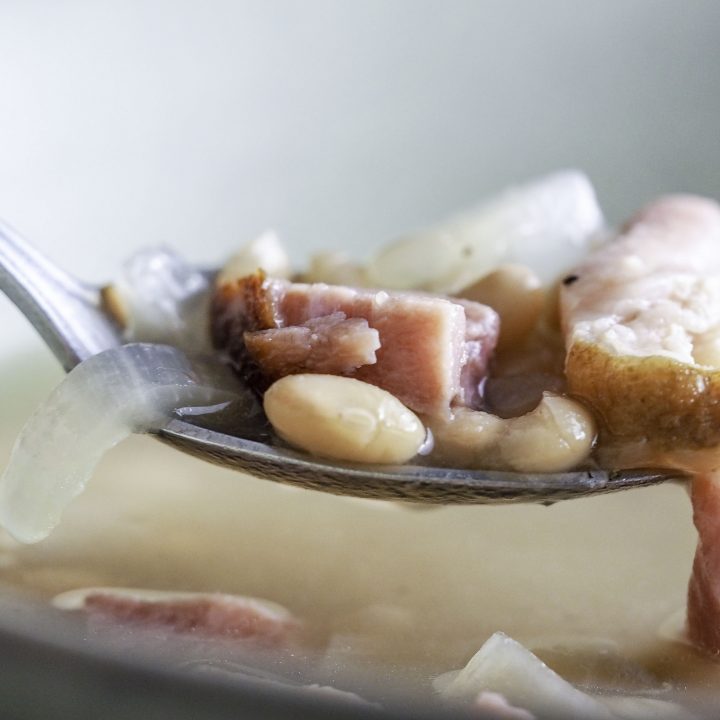
Mom’s Slow Cooker Rainy Day Navy Bean Soup
A delicious and filling soup for any type of rainy day or winter day! Filled with navy beans, ham, and more.
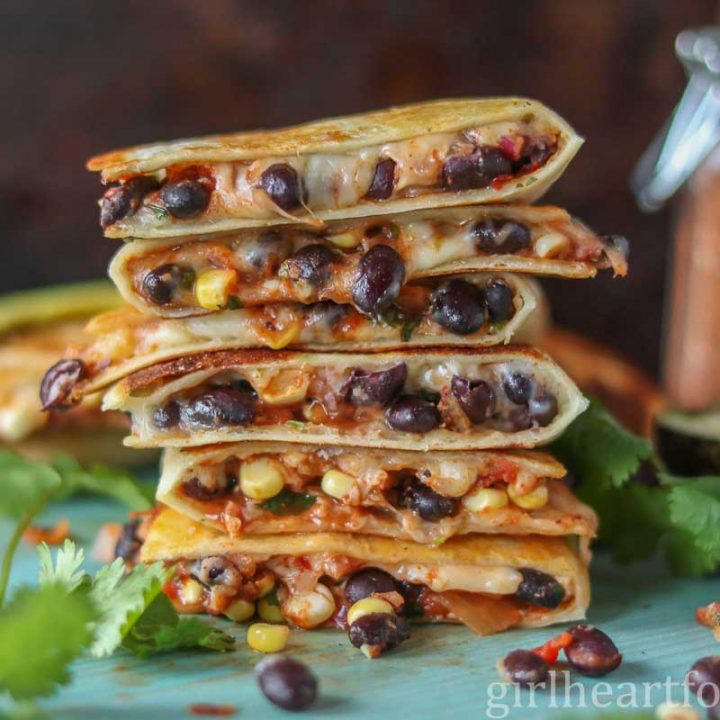
Black Bean Quesadillas {with cheese & corn}
With plenty of black beans, fresh corn and spicy monterey jack cheese, these black bean quesadillas come together in under 30 minutes and disappear fast!
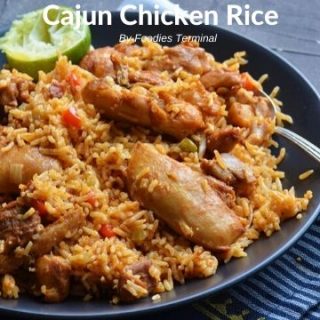
Instant Pot Cajun Chicken and Rice
Juicy Chicken thighs loaded with Cajun seasoning with colorful peppers, onions and long grain white rice. The easy and delicious Cajun Chicken Rice Instant Pot recipe comes together under 30 minutes!
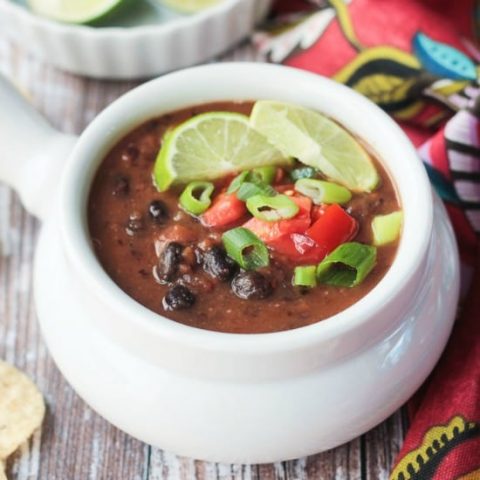
Easy Black Bean Soup
Packed with hearty plant based protein, vegetables and spices, this quick and Easy Black Bean Soup is perfect for a cozy weeknight meal.
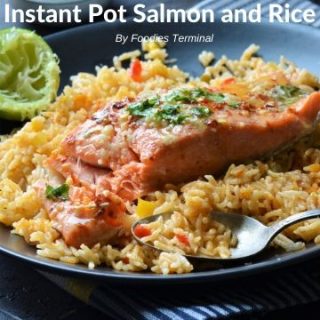
Instant Pot Salmon and Rice
Tender, juicy, flaky Salmon with garlic butter sauce and a slightly flavor induced rice cooked all together in the same pot.
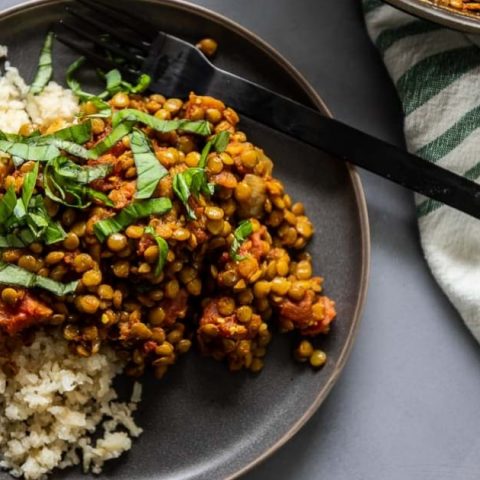
Indian Lentil Curry (Dal)
Looking for a tasty, frugal meal that's a snap to make? One taste of these Easy Indian Lentils and you'll be surprised at how satisfying and delicious lentils can be.
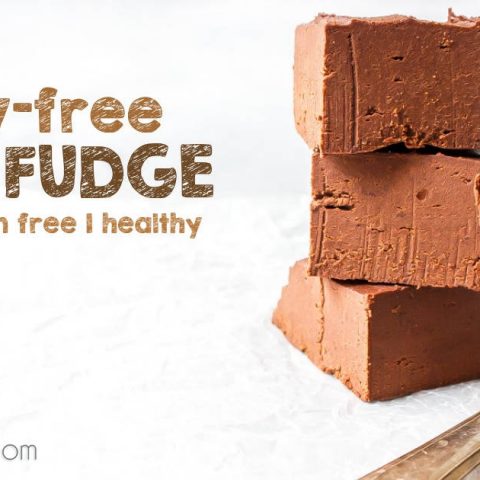
Healthy Bean Fudge - vegan & sugar-free
Yes, you read it right. “Bean Fudge.” This Bean Fudge is so super rich and flavorful that no one will expect that it's made from beans.
Healthy Pasta Recipes
These simple yet special pasta recipes are great when you want an easy meal that everyone loves.
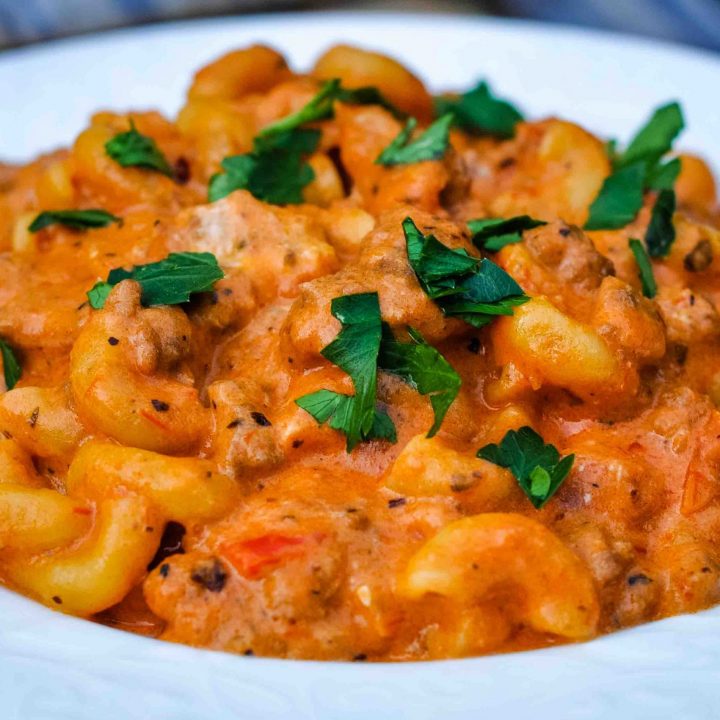
Instant Pot Beefy Lasagna Mac (cheesy ground beef pasta)
This beefy, cheesy lasagna mac is sure to be your family's new favorite Instant Pot meal! Hearty and filling, this dish can be made even healthier using gluten free pasta.
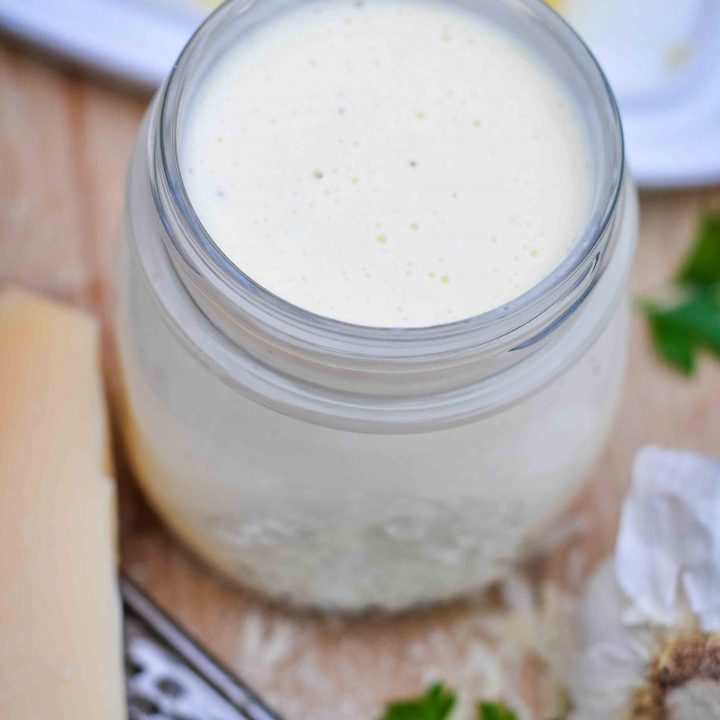
The BEST Classic Alfredo Sauce for Any Pasta
Top your favorite pasta with this dreamy sauce. Made with real butter, cream, and parmesan cheese, this really is the BEST alfredo sauce recipe, so be sure to save it for later!
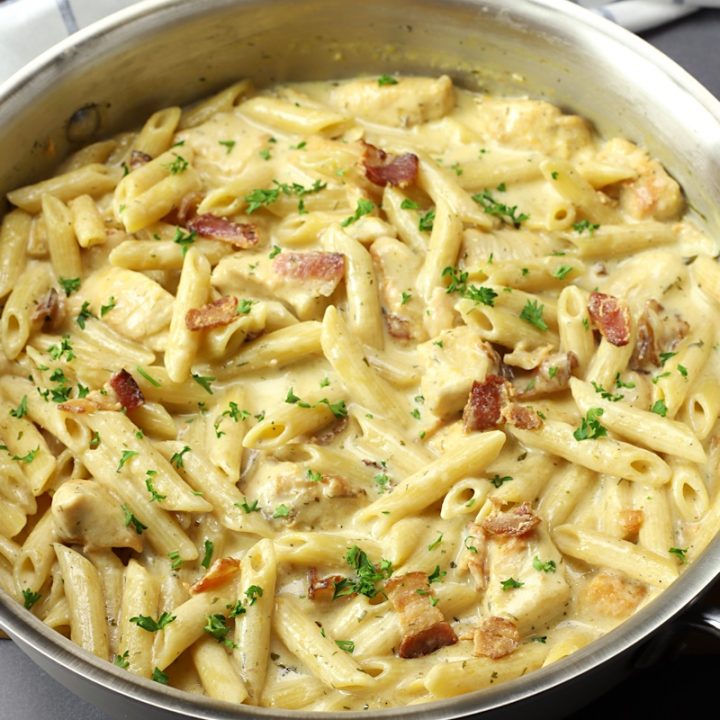
Chicken Bacon Ranch Pasta
It only takes thirty minutes and a single sauté pan to make this Chicken Bacon Ranch Pasta. Chicken, bacon, and penne pasta are coated in a creamy cheese sauce with tangy ranch seasoning.
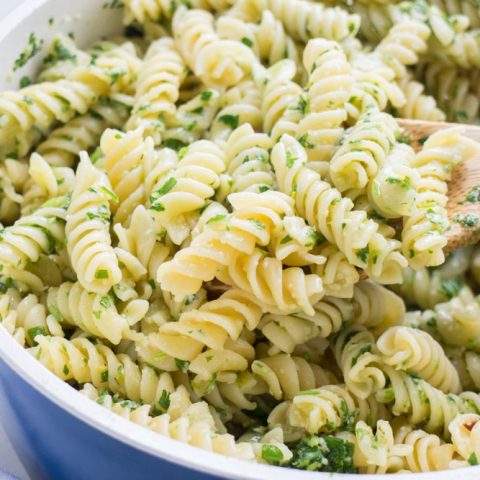
Parsley Parmesan Pasta
Parsley Parmesan Pasta recipe that takes 15 minutes to make and costs less than $4. Blend the parsley with other simple ingredients to make a nut free pesto sauce and then pour on top of pasta!
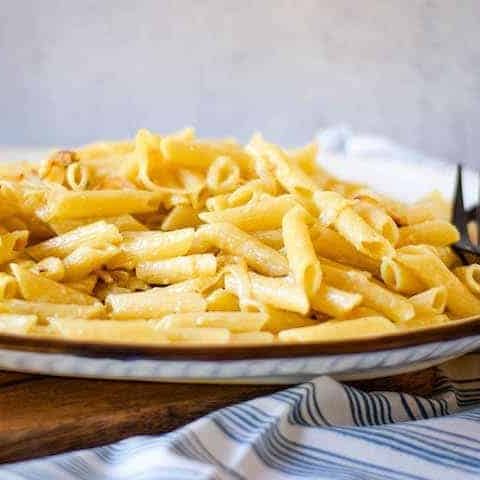
Caramelized Onion Pasta with Gorgonzola
This caramelized onion pasta is the perfect under 30 minute dinner. It is slightly sweet from the caramelized onions and tangy from the addition of the gorgonzola cheese.
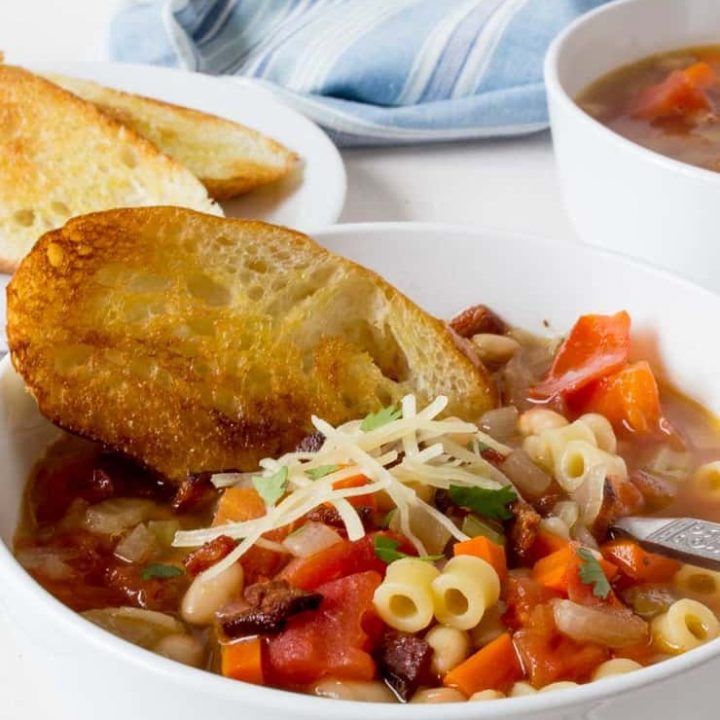
Pasta e Fagioli
Pasta e Fagioli is an Italian soup with pasta and beans is a delicious and hearty meal perfect for lunch or dinner.
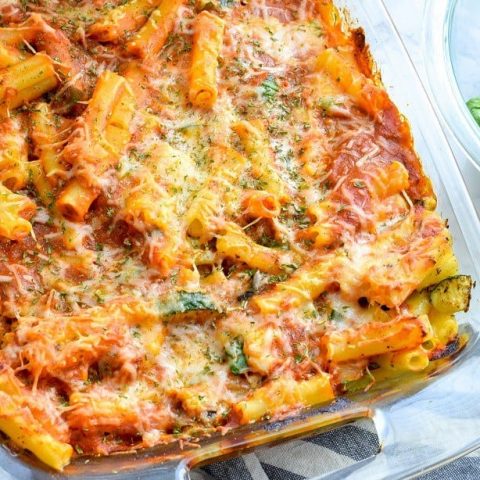
Veggie Pasta Bake (Cheesy Baked Pasta)
This Veggie Pasta Bake is a perfect easy and comforting vegetarian pasta casserole. With a variety of veggies and cheese, this vegetable pasta bake is great for crowds, easy to freeze and reheat, and convenient for meal prep!
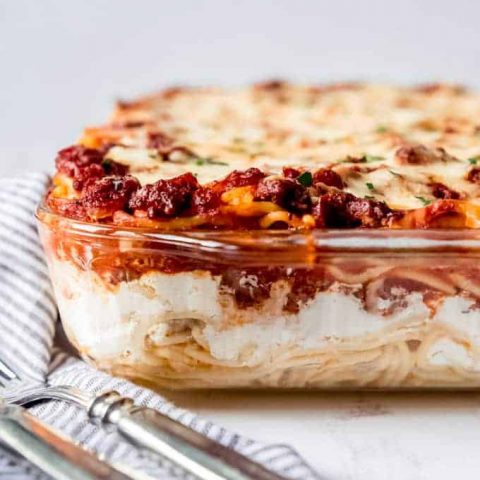
Cheesy Baked Spaghetti Casserole
This cheesy baked spaghetti casserole is kid-friendly, filling, and perfect for feeding a crowd. Melty cheese, meaty sauce, and al dente pasta make this a great weeknight meal!
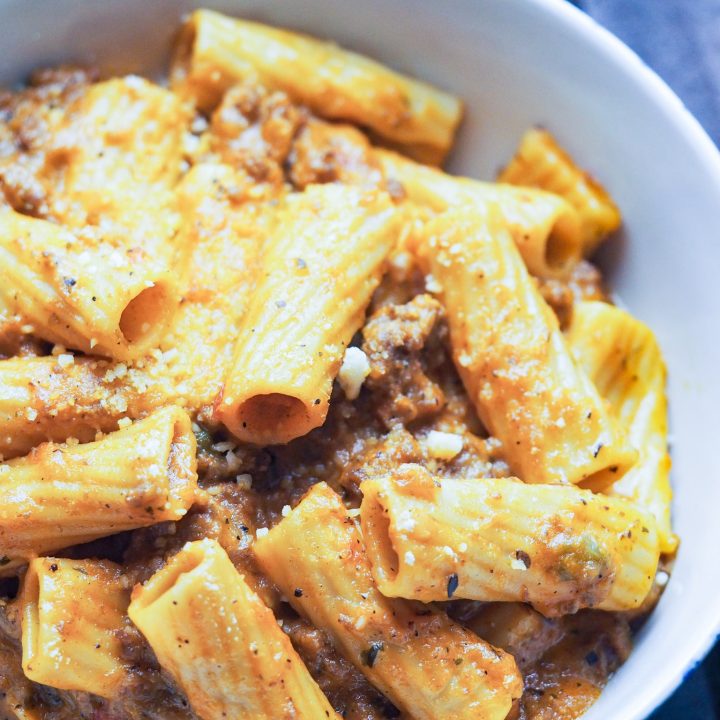
Instant Pot Cheesy Ziti
A creamy Instant Pot Ziti recipe with a meat sauce loaded with sausage and ground beef this traditionally baked cheesy pasta dish will amaze you with how easy this is to make in the pressure cooker.
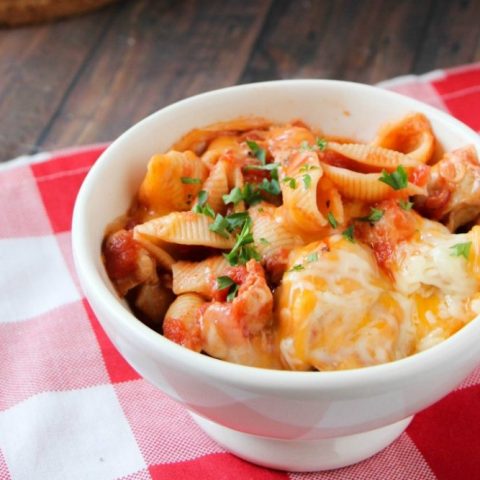
Cheesy Chicken Pasta
Easy cheesy chicken pasta recipe made in one pot. Simple to do in the slow cooker!
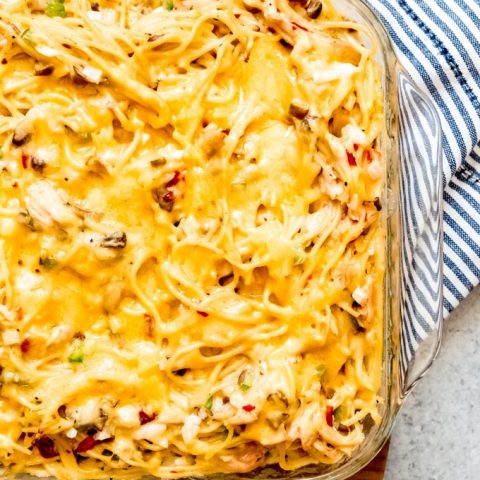
Chicken Spaghetti Casserole
Perfectly al dente pasta combine with a made-from-scratch cream of mushroom soup sauce with chopped green pepper, pimentos, diced onion, and a generous amount of shredded cheddar cheese.
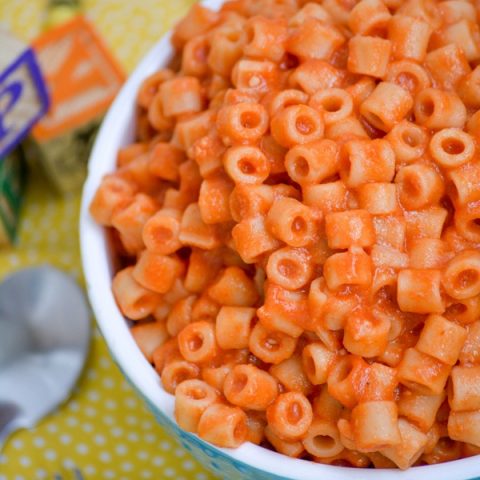
Homemade Spaghetti O’s
A wholesome, real food version of a much loved favorite children's pasta.
Which of these rice, bean, and pasta recipes are you trying next?
PIN IT!

WOnderful post! I feel excited. I’m all fired up ready to spice up my cooking journey!
Great, enjoy!
These recipes look amazing! I can’t wait to try them. Is there any way I can print them all out together? or download the whole list?